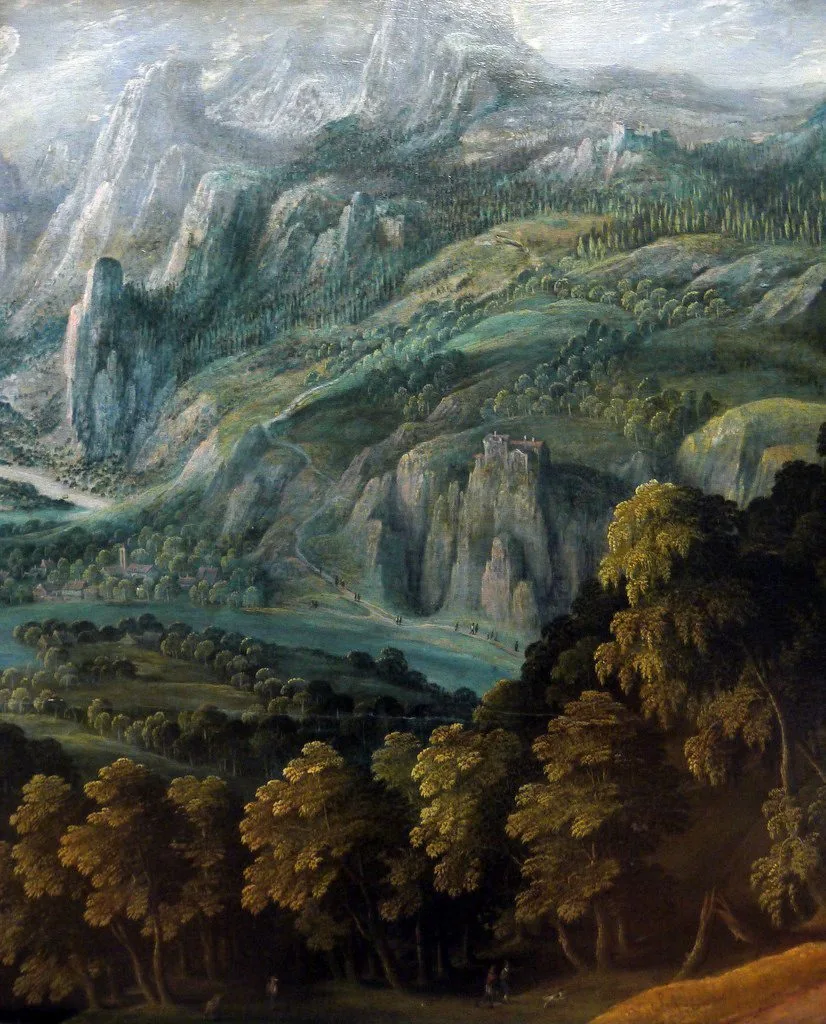
What happens when an ecosystem, rather than production or growth, becomes the principle around which a civilization organizes itself?
Modern societies are built around human-centered systems. Production, infrastructure and growth occupy the center, and the living world is pushed to the margin, treated as a resource to be managed, protected or optimized. Even environmental thinking often keeps this structure intact. Symbiome begins by reversing that order: it takes the ecosystem not as a constraint on culture, nor as a backdrop to it, but as the ground from which culture grows.
The ecosystem is no longer a resource at the edge of the model. It becomes the center from which the model emerges.
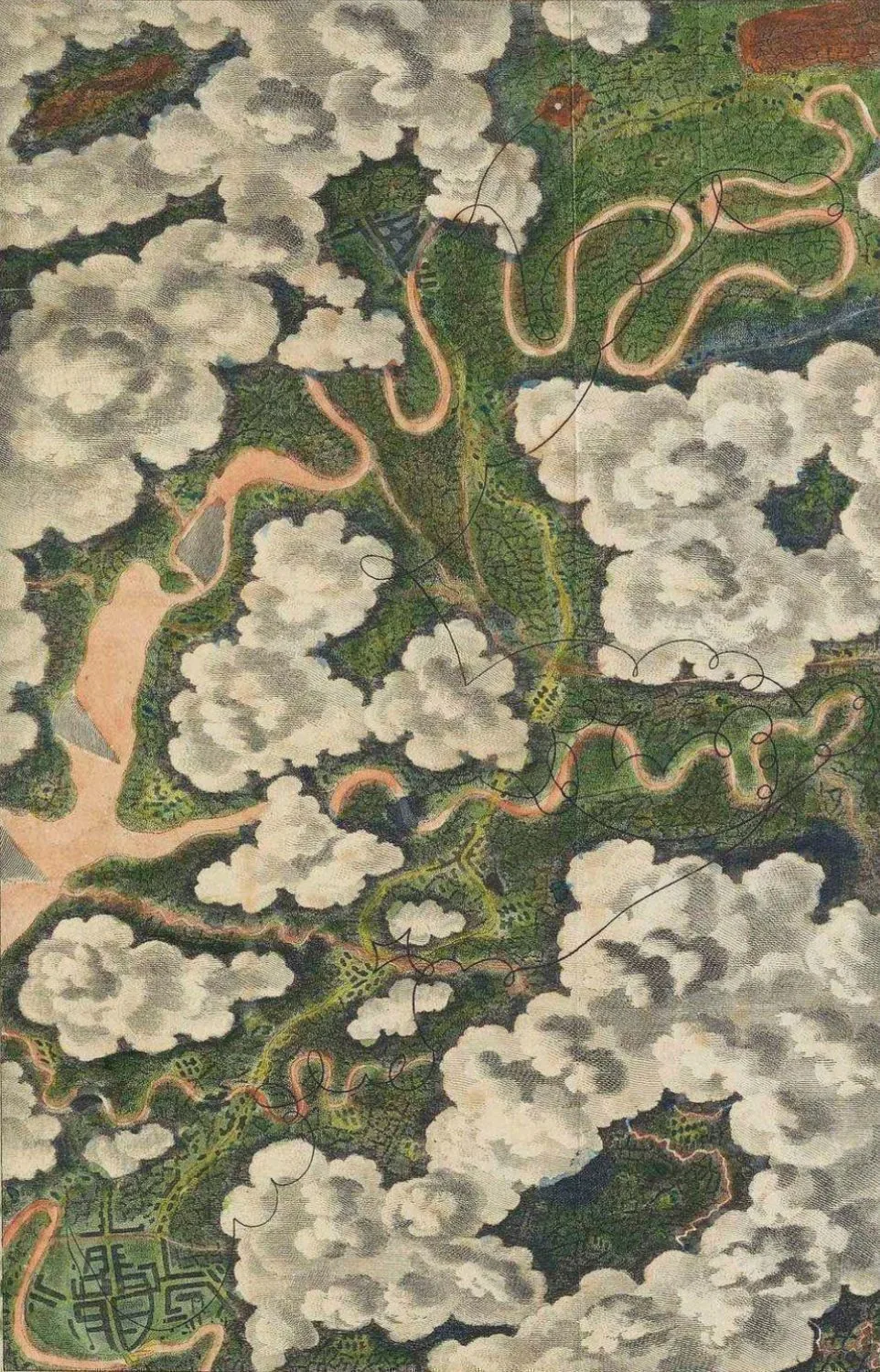
Plate I · the biome as organizing principle
01 · Foundation
An ecosystem as starting point
Every territory carries its own conditions: climate, rivers, winds, species, migrations, seasonal cycles. The premise of Symbiome is that these are not obstacles to overcome by a universal model, but the material from which a civilization should be composed.
The territory is not adapted to the settlement; the settlement adapts to the territory. Each biome generates its own architecture, its own rhythms. The result is not standardization, but diversity.
02 · Emergence
Culture as a product of ecology
If a civilization is organized around its ecosystem, its culture ceases to be something added afterward. Architecture, craft, ritual, story and object become the visible form of a way of living with a place.
A migration of birds can give rise to a season of celebration; a river can shape a body of myth. The living world does not merely get represented by culture. It generates it.
03 · Invention
New forms, not reduced impact
A different relationship with the living produces different forms: new architectures, technologies and narratives, not as obligations but as inventions. This is where Symbiome departs most clearly from conventional environmental design, whose horizon is usually the reduction of harm. Reducing impact is necessary, but it is not, in itself, a culture. The ambition here is generative: to ask what forms of beauty and meaning become possible when human creativity evolves alongside living systems rather than against them.
04 · Technology
Machines that mean something
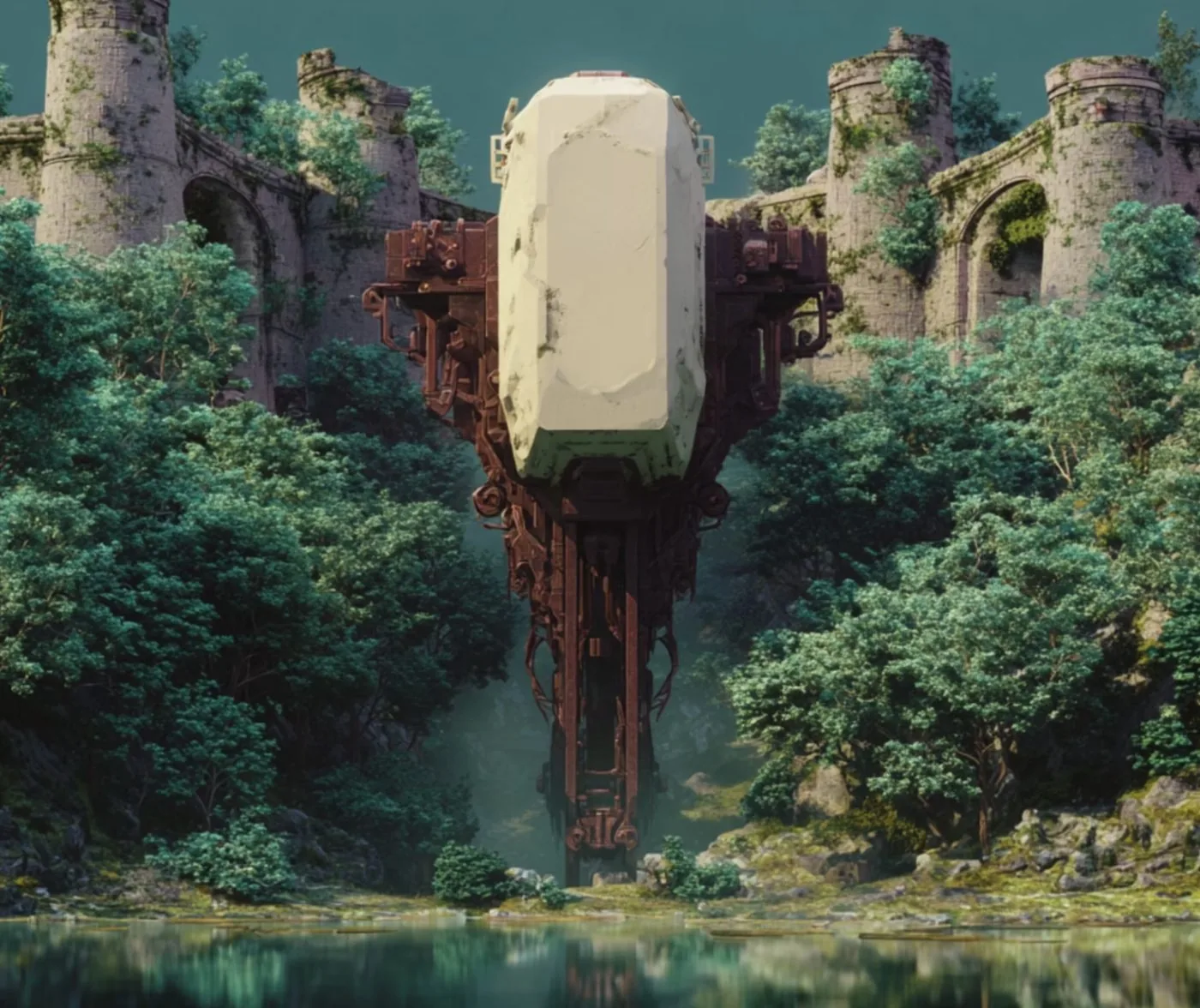
Technology does not disappear; it changes role. Symbiome proposes infrastructures that work at once as tools, as symbols and as cultural forms. A structure that harvests wind can also embody a community’s relationship to the sky; an energy system can double as a place of gathering; a machine can reveal an ecological process while standing as a poetic figure of the ecosystem itself.
Technology becomes symbolic, symbolism becomes functional, and the line between infrastructure, culture and imagination begins to dissolve.
05 · Coexistence
Architecture as participation
Architecture is no longer set down upon a landscape. It becomes a participant in a living system, responding to climate and migration, to vegetation, water and the species that share the site. Settlements grow through relationship rather than domination.
Here too the aim exceeds low impact. What is sought is mutual flourishing: a framework through which humans and ecosystems thrive at once, neither at the expense of the other.
06 · Belonging
Rituals that carry knowledge
Every civilization holds itself together through stories and rituals. Symbiome asks what practices arise when a community sees itself as one part of a larger living whole: seasonal festivals, river ceremonies, forest observatories, acts of shared stewardship.
Such rituals do not protect nature from a distance. They create belonging, and let ecological knowledge settle into everyday life, where it can be transmitted rather than merely defended.
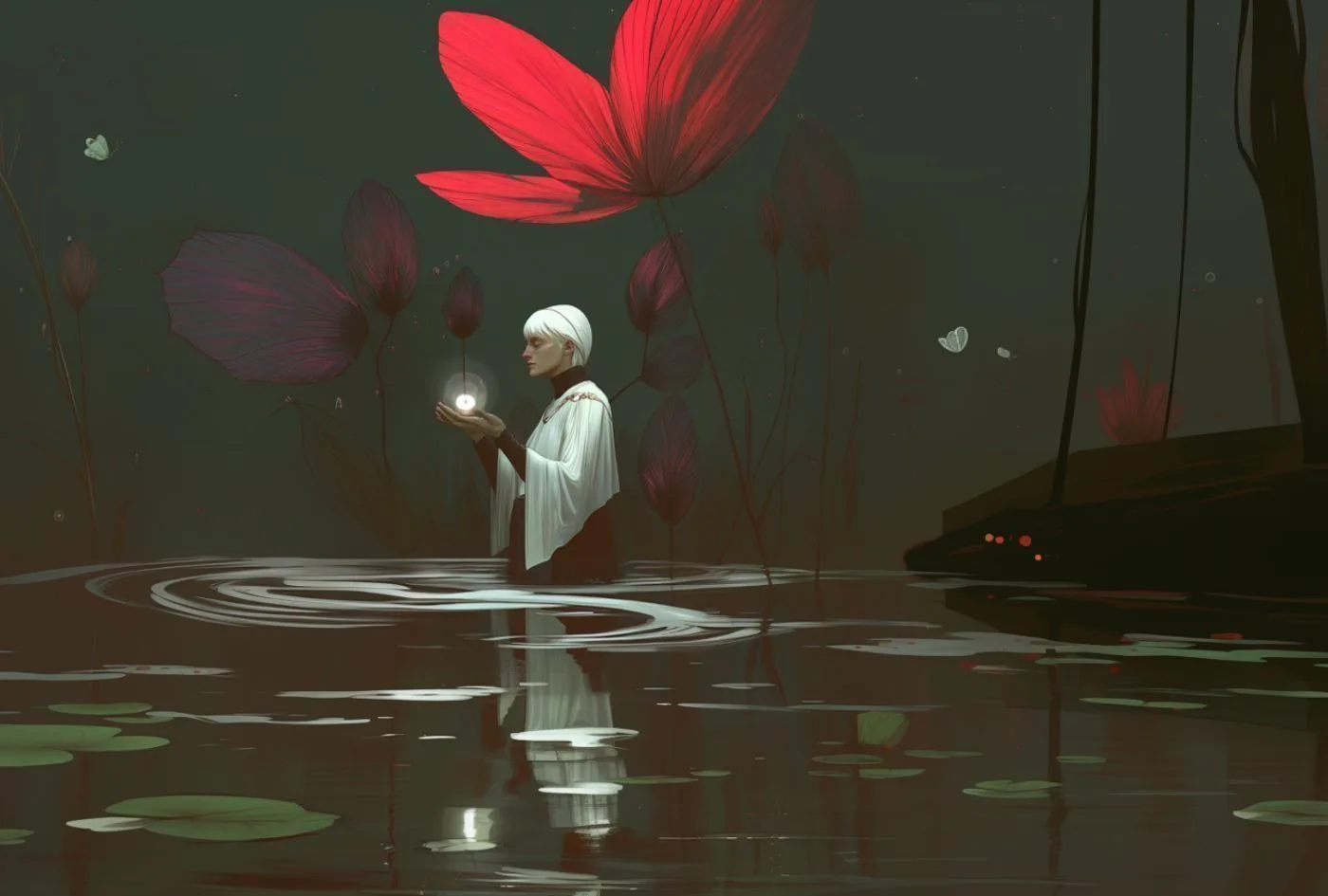
Plate III · a ritual of coexistence
07 · Aesthetics
An identity that comes from belonging
From this relationship an aesthetic emerges on its own. Materials, colours, patterns and objects come to reflect the character of a particular territory, so that the visual language of a civilization is drawn from the landscapes, species and ecological relations around it. Beauty, on these terms, is not applied to a place. It is an expression of participation within it.
Identity no longer comes from branding. It comes from belonging.
08 · Position
A third model of civilization
Symbiome is neither a return to untouched wilderness nor a vision of technology mastering nature. It sets itself deliberately between these two familiar positions and proposes a third: a civilization in which technology, culture, ecology and imagination evolve together. Its purpose is not to recover a lost past but to imagine new forms of prosperity, beauty and meaning rooted in the living world.
An ecosystem does not only produce resources. It can produce culture.